
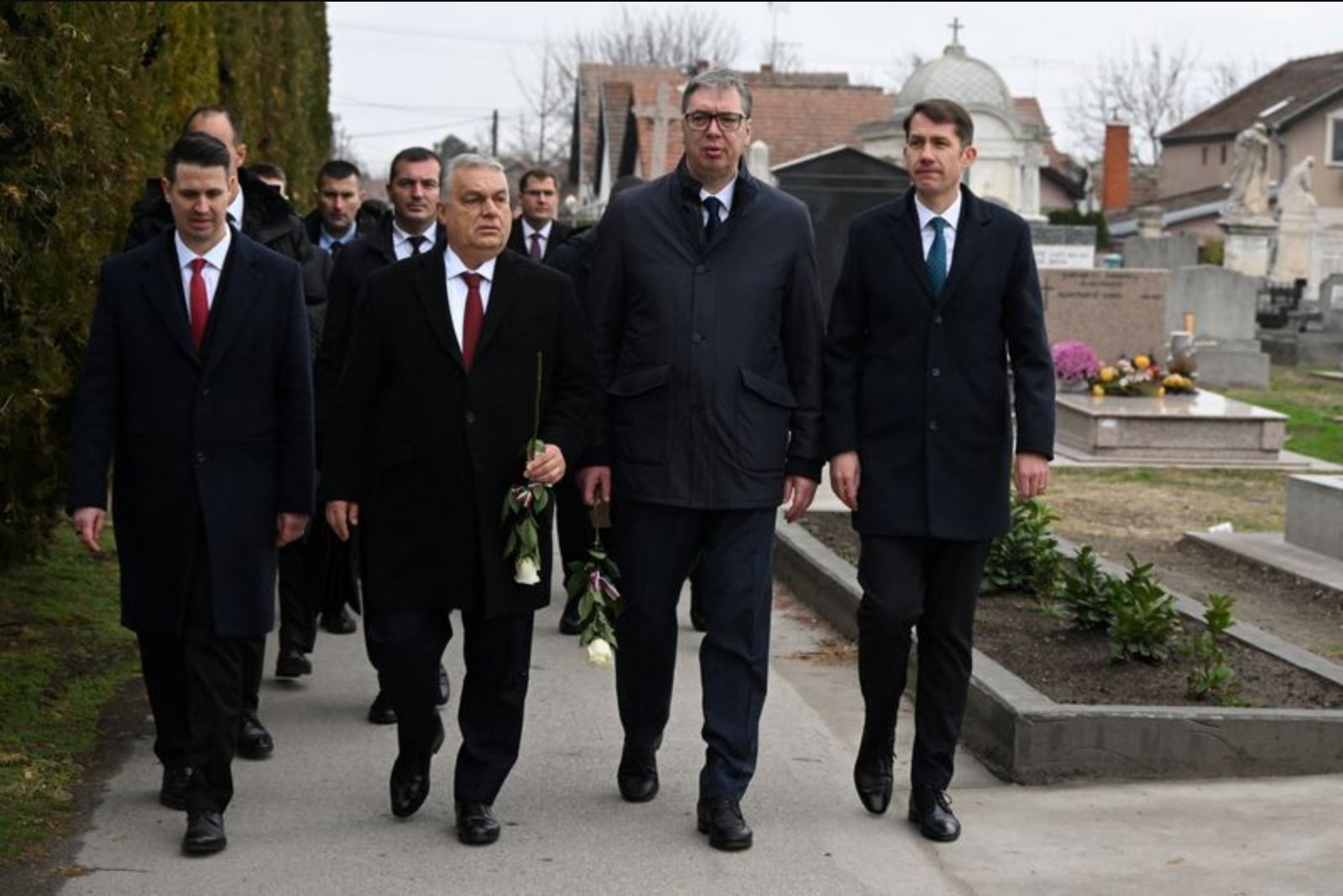
Serbian and Hungarian authorities reported on Sunday that a powerful explosive device was discovered near a pipeline in Serbia that carries Russian gas toward Hungary. The discovery was said to have occurred outside the town of Kanjiza, close to the Serbian-Hungarian border.
Serbian President Aleksandar Vucic wrote on Instagram: "Our units found an explosive of devastating power." He added: "I told PM Orban that we would keep him updated on the investigation." Hungarian Prime Minister Viktor Orban said he had spoken by phone with Vucic about the finding.
Officials in both capitals have not released further specifics about the explosive or released images of the device or the scene. The section of pipeline in question is linked to the Turkstream system, which transports Russian gas to Turkey and onwards into Central Europe.
Limited official comment and heightened scrutiny
Requests for additional comment from authorities in Budapest and Belgrade about the incident and surrounding questions went unanswered on Sunday. The lack of detailed official information has contributed to political scrutiny in Hungary at a sensitive time - with national elections scheduled for April 12.
A former Hungarian intelligence official said there had been discussions in Hungarian security circles in recent days about a precise plan for a "false-flag" operation impacting the pipeline in Serbia as part of an effort to influence the Hungarian vote.
Political reactions and electoral context
Nationalist Prime Minister Orban is contesting an election that will determine whether he can extend his more than 16-year tenure. Polling in recent days showed his party trailing the opposition Tisza party.
Tisza leader Peter Magyar raised questions about the timing and presentation of the leaders' statements, suggesting they were intended to bolster Orban's electoral position. In a statement he said: "Several people have publicly indicated that something will 'accidentally' happen at the gas pipeline in Serbia at Easter, a week before the Hungarian elections. And so it happened."
Orban said in a post on Facebook that he had convened an extraordinary defence council meeting on Sunday to discuss the pipeline incident. He described the pipeline as a conduit that transports Russian gas through the Balkans to Central and Eastern Europe.
Security measures and previous tensions over energy
In February, Orban increased security around Hungary's energy infrastructure by dispatching troops after he said there were plans by Ukraine to disrupt the Hungarian energy system - allegations Kyiv denied. Budapest has also been involved in a dispute with Ukraine after a halt in oil shipments via the Druzhba pipeline.
Orban's Fidesz party has sought to link opposition leader Peter Magyar with both Brussels and Ukraine, arguing that a vote for the Tisza party equates to supporting "tanks and war," according to messaging from Fidesz.
International statements and unresolved attribution
Moscow voiced support for Hungary over Sunday's incident and suggested Ukraine bore responsibility. Russian Foreign Ministry spokesperson Maria Zakharova was quoted as saying: "(Ukraine) wants to deprive Hungary of its sovereignty," and that it was using energy to do that, "by trying to prevent Hungary from receiving high-quality and reasonably priced resources."
Hungarian Foreign Minister Peter Szijjarto did not directly accuse Ukraine of involvement with the pipeline incident, but said he would not rule that out. He posted on Facebook: "In the past few days and weeks, the Ukrainians organised an oil blockade against us, and then tried to put us under a total energy blockade ... And now we have today’s incident." Ukraine's Foreign Ministry declined to comment.
What is known and what remains unclear
The public record at this stage contains several clear elements: a powerful explosive was reportedly found near a pipeline outside Kanjiza; Serbia's president and Hungary's prime minister have been in contact about the discovery; the pipeline is linked to the Turkstream system that carries Russian gas into Central Europe; and the incident has occurred shortly before a national election in Hungary.
Details that remain unavailable include technical specifics about the explosive device, photographic documentation from authorities, and definitive attribution of responsibility for the incident. Officials in Budapest and Belgrade have not provided those details, and competing political narratives have emerged.
The situation has prompted security meetings and public statements that intersect with ongoing disputes over energy supplies and political messaging in the run-up to voting. Investigations by the relevant authorities were under way as the leaders said they would keep each other informed.