
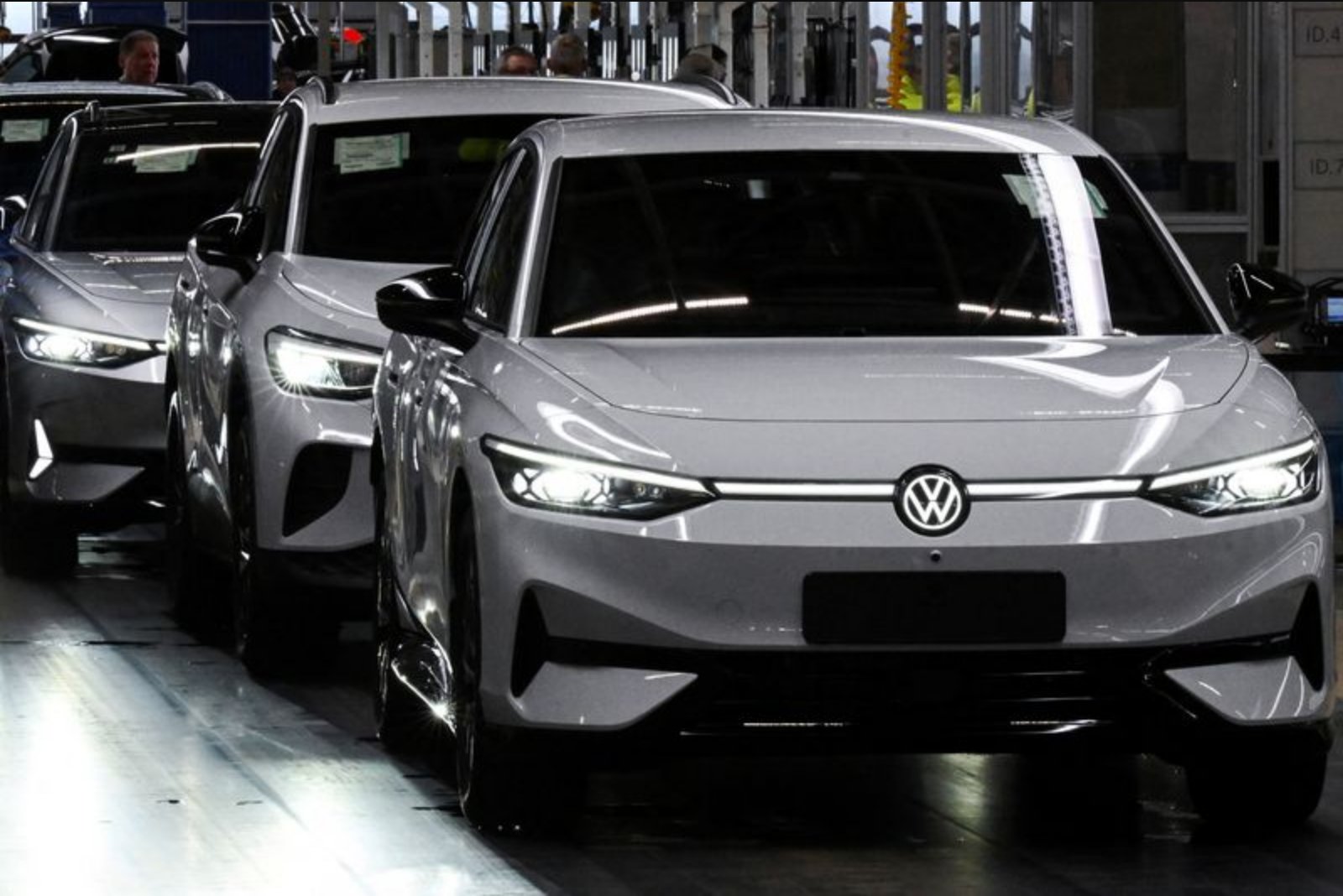
The European Commission's December proposal to replace a full ban on new combustion-engine vehicles with a target to cut CO2 emissions by 90% in 2035 from 2021 levels is projected to still favour battery electric vehicles substantially, but campaigners say it leaves room for continued sales of higher-emitting cars.
Transport & Environment (T&E), a clean transport advocacy group, assessed the commission's change and concluded that under the new approach electric cars are likely to account for about 85% of new vehicle sales in the EU from 2035. The group added that, depending on carmaker strategies, the share of BEVs could fall to as low as 50%.
T&E criticised the commission's move as the EU's largest retreat from its climate policies in years, arguing the proposal will permit ongoing sales of vehicles with relatively high CO2 emissions. The group also highlighted competitive dynamics, noting Chinese manufacturers are advancing further in battery electric vehicles.
In defending its proposal last December, the European Commission said the revised target would continue to support EV sales across the EU while reducing costs for vehicle makers. The commission estimated the change would save manufacturers 2.1 billion euros over three years, freeing funds for innovation and the development of new electric models. ($1 = 0.8474 euros)
In a report published on Tuesday, T&E provided a range for how many non-BEVs carmakers could sell after 2035: from as little as 5% up to 50%. The lower bound corresponds to a manufacturer continuing to market high-emissions internal combustion engine models, and the upper bound assumes a maker focuses on the most efficient extended-range plug-in hybrids.
According to the report, T&E considers a 15% share of non-BEV sales the most likely outcome, representing a mix of some combustion-engine vehicles and some plug-in hybrid models continuing in the market. The organisation also warned that combining the relaxed 2035 target with an extended compliance timeframe for 2030 rules would raise cumulative car CO2 emissions by 10% between 2025 and 2050 compared with the current, stricter framework.
T&E further noted a procedural risk: the proposal must still be approved by both the European Parliament and the Council of EU governments, and there is a possibility of additional weakening of the rules during those debates.
Context limitations - The report and commission statements above reflect the positions and estimates contained in T&E's analysis and the European Commission's announcement; further details will depend on the legislative process in the European Parliament and the Council.