
(Corrects spelling in third paragraph to Ucak, not Ulcak)
SYDNEY, April 3 - Faced with steep petrol prices and patchy local supplies, a number of Australians who normally travel during the Easter long weekend have opted to stay home this year.
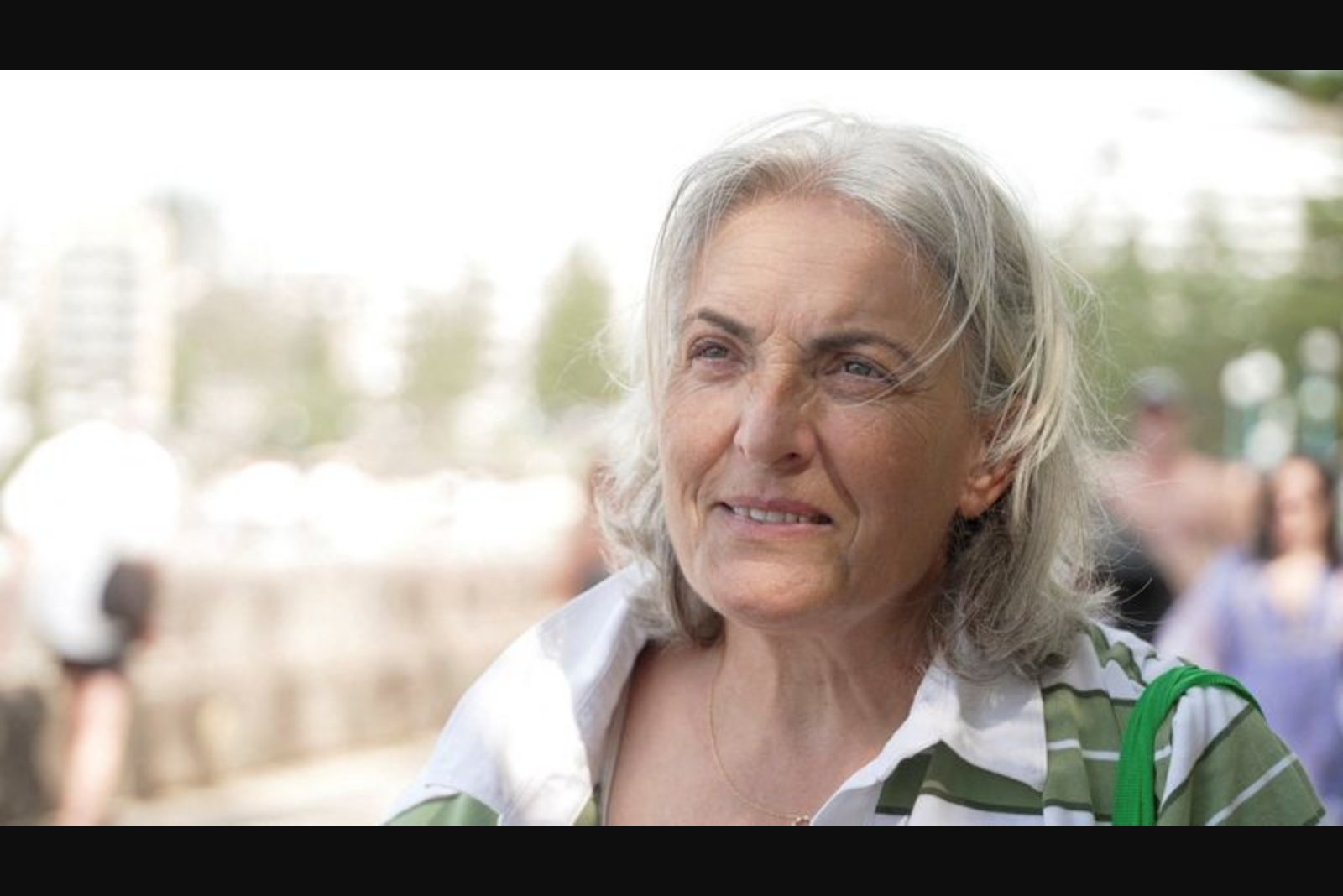
Elsa Ucak, 66, a retiree from Sydney who typically joins friends on a multi-hour drive to the countryside for the four-day break, said she and her husband cancelled their trip because they could not justify the petrol consumption. "We usually go to the countryside, but because of the petrol situation, we decided to stay at home this year," she said, noting that the round trip would be "six or seven hours drive" and costly. Ucak added that the couple felt their use of petrol could be conserved for those who need to commute for work: "We’re retired, we can stay at home."
Ucak said the decision was echoed across her usual travel group: "We usually go with a group of friends, everyone cancelled."
The Easter long weekend is normally one of Australia’s heaviest travel periods. Research firm Roy Morgan had expected more than 4.5 million people to travel over the period in 2025, with total spending projected at A$11.1 billion. Those travel projections have been disrupted this year by an outbreak of the Iran war on February 28 and an ensuing blockade of the Strait of Hormuz, which the article describes as having choked global energy supplies.
Australia imports about 90% of its fuel and has suffered localised shortages alongside sharply higher pump prices. The article reports diesel topping A$3 per litre and petrol exceeding A$2.50 per litre last week, figures cited for the period immediately before the government implemented a temporary cut to fuel taxes to ease prices.
Not everyone had travel plans to cancel. Rachel Abbott, 27, an art director who normally returns home to north-east Victoria for Easter, said both driving and flying had become too expensive. "Work’s just been quite busy and flights are very expensive, and then if I were to drive, obviously it would be a lot more expensive," she said, explaining her decision to remain in Sydney.
Aid worker Stav Zotalis, 59, said she usually stays at home during Easter and that her own holiday plans were unchanged. Still, she said the present international conflict made the holiday feel "very different." "I don’t know that we can celebrate. It feels like the world is shaky, it’s unpredictable. And I feel that we don’t know where things are going," she said.
Zotalis noted that while higher costs at petrol stations and supermarkets had affected her personally, her greater concern was for people in the conflict zones. Drawing on more than two decades as an overseas aid worker and 14 years living in Asia, she said she knew people closer to the fighting who were "having to forgo food. Not just trips interstate or to the coast, like some of us here in Australia."
These individual decisions to forgo travel come against an economic backdrop in which fuel availability and price swings are influencing consumer choices and short-term travel demand during a key seasonal period.
($1 = 1.4480 Australian dollars)