
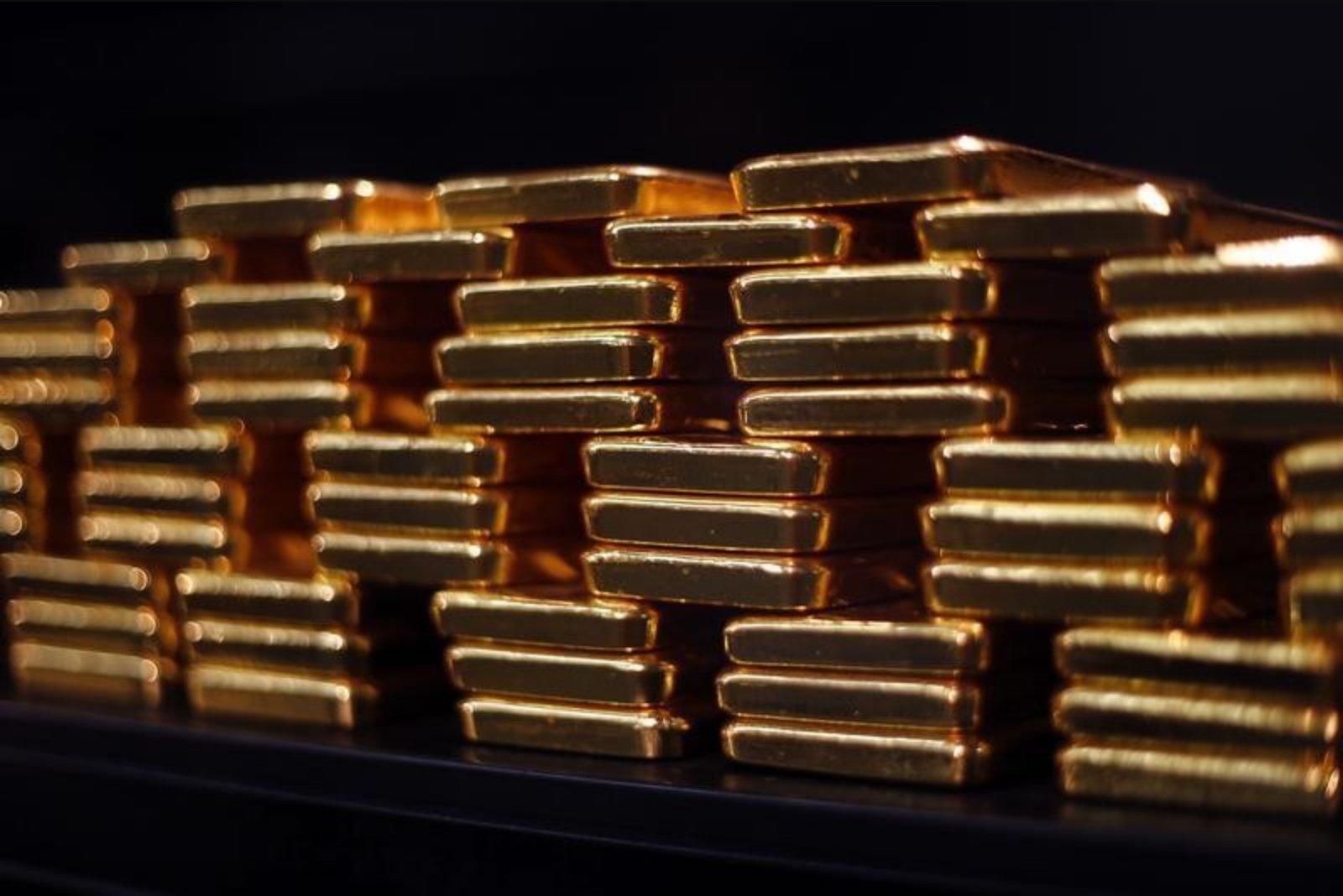
Deutsche Bank says a structurally more volatile geopolitical environment will remain a central driver for commodity markets through the year, reshaping supply chains, investment allocations and price dynamics for key raw materials.
The bank's analyst, Michael Hsueh, emphasises the growing likelihood of persistent geopolitical volatility and warns that the move toward more independent and redundant supply networks will tend to lock in higher costs and establish price floors - a dynamic he believes is particularly pronounced for critical minerals.
Hsueh argues that great-power competition and resource nationalism are prompting companies and governments to build redundant supply lines, a shift that raises baseline costs for producers and consumers. He also notes that geopolitical tensions reduce downside price risk in energy markets, preventing prices from falling as far as they might in a more globally integrated environment.
Another important theme identified by the analyst is resource stockpiling. Hsueh points to China's actions in building strategic reserves of both gold and crude oil as evidence that accumulation of physical stocks is reinforcing a structural risk premium across commodities. He adds that rising military spending is further supporting that premium by worsening long-term government debt trajectories and strengthening the argument for precious metals as a store of value.
Within the precious metals complex, investment demand remains the primary explanatory factor for recent price moves. Hsueh notes that gold's rally has been supported by higher allocations to reserves among central banks and by growing investor interest in non-dollar and real assets. He highlights that central bank buying, which began in 2022, has not reversed, and that exchange-traded fund demand returned to positive territory in 2025 after five years of net outflows.
The analyst also points to a shift in physical consumption patterns: global jewellery demand has dropped sharply from 2021 levels, while overall gold supply has accounted for only about half of the net increase in demand observed in recent years. Those imbalances, he says, contribute to the upward pressure on prices.
On valuation, Hsueh contends that a gold price of $6,000 per ounce is achievable this year if the U.S. dollar weakens, linking such a move to valuation pressures, balance-of-payments trends and changes in monetary policy cycles. He sets out additional scenarios: a further extension of recent outperformance would be consistent with a roughly $6,900-per-ounce outcome, while the dollar-related regression would imply a downside near $3,700 per ounce - a level he suggests would likely require an unexpected strengthening of the U.S. currency.
Beyond gold, Hsueh expects investment flows to widen into silver and the platinum group metals. He also sees geopolitical supply risks and renewed stockpiling as ongoing support for crude oil prices through the year, even as wider macroeconomic conditions remain unsettled.
Industrial metals receive particular attention in his analysis. Copper, he says, has entered a structural supply deficit after an extended period of underinvestment, a condition that helps maintain an "incentive price regime" amid rising demand driven by electrification. Deutsche Bank forecasts copper prices to peak around $13,000 per tonne in the second quarter before easing later in the year.
For aluminium, the analyst expects a move to a higher price regime as a cap on Chinese output tightens global availability. Iron ore, by contrast, is seen as likely to remain broadly range-bound: near-term restocking should provide support, but surplus risks could re-emerge in the second half of the year.
Contextual note - The analysis reflects the bank's interpretation of current flows and policy trends and outlines a range of outcomes tied closely to movements in the U.S. dollar, central bank behaviour and geopolitical developments.