
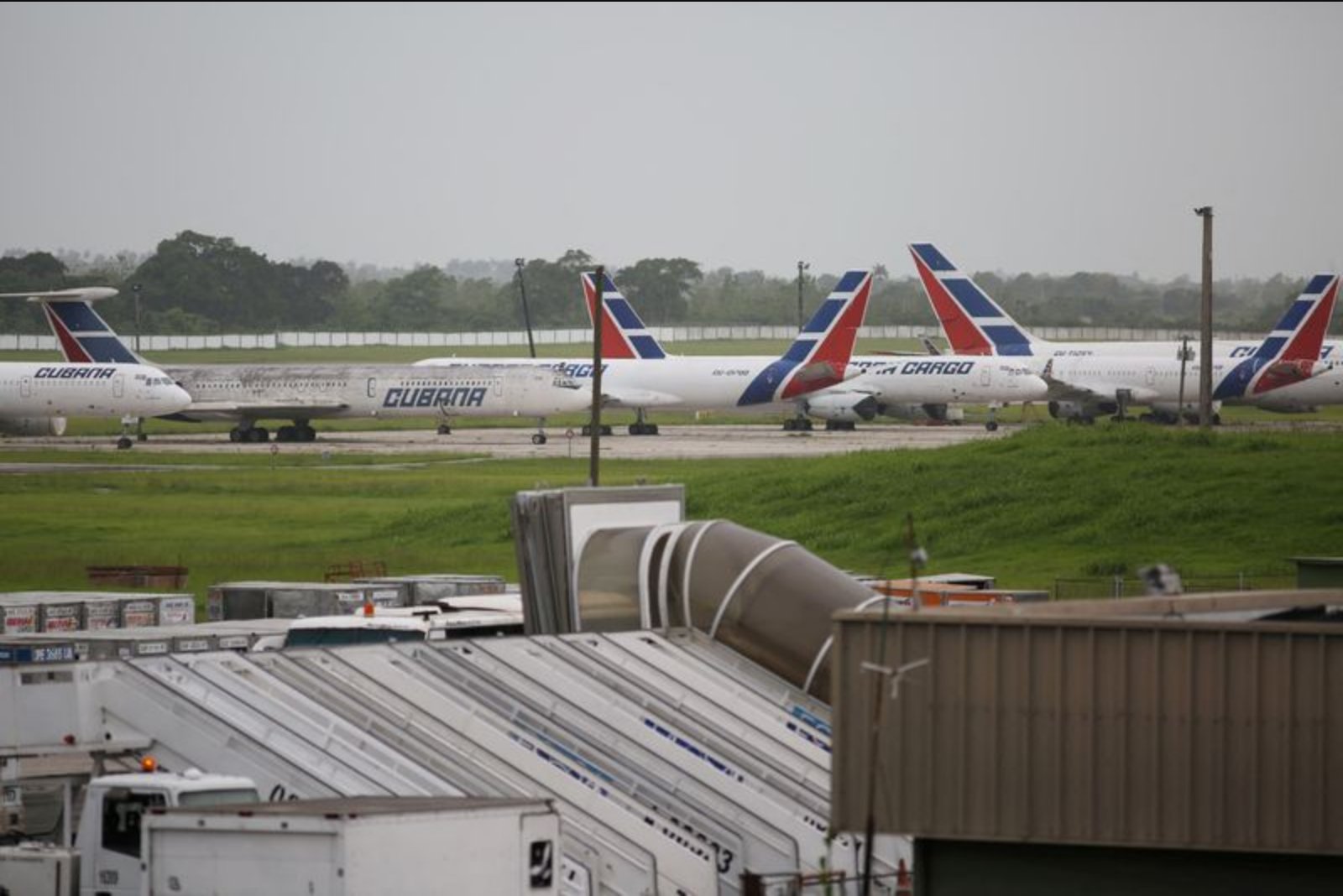
HAVANA, Feb 9 - Cuban authorities alerted international carriers that jet fuel supplies on the island will be exhausted beginning Tuesday, with the shortfall set to last from February 10 through March 11, according to a Notice to Aviation (NOTAM) published late on Sunday.
The NOTAM came two days after senior officials had said air travel would not be affected by a fuel rationing plan that was announced on Friday. The later advisory signals a rapid deterioration in fuel availability for aviation services on the Caribbean island.
Cuba has traditionally depended on Venezuela for a significant portion of its jet fuel needs. The island, however, has not received crude or refined petroleum products from that partner since mid-December, when U.S. measures restricted the South American nation's exports. U.S. President Donald Trump has said Cuba would receive no more oil from Venezuela and has threatened tariffs on any country that supplies fuel to Cuba, steps that have effectively cut off aviation gasoline deliveries to the island.
Shortages of aviation gasoline are not unprecedented in Cuba. Airlines that serve Havana and other Cuban airports maintain contingency plans to manage fuel interruptions. In prior episodes, carriers have arranged to take on fuel in third countries, including Panama, the Bahamas, the Dominican Republic and the United States, before continuing to Cuban destinations.
Operational indicators on Monday suggested only limited immediate disruption. Most flights into Havana appeared on time during the morning, with an early morning COPA Airlines service to Panama departing as scheduled and several American Airlines flights expected to arrive later in the day, airport officials confirmed. Major carriers that operate services to Cuba had not issued public comments on the NOTAM as of Monday.
For the coming month, airlines and airports will face the practical challenge of managing routes, refueling logistics and passenger schedules while the NOTAM remains in effect. The notice also underscores the intersection of geopolitical measures and basic operational inputs for aviation, as Cuba's ability to receive jet fuel has been constrained by the cessation of deliveries from its main supplier and by U.S. actions that have limited potential alternate sources.
Summary
Cuba issued a NOTAM warning that jet fuel will be unavailable from Feb. 10 through March 11. The shortage follows a halt in deliveries from Venezuela since mid-December and U.S. measures aimed at preventing oil shipments to Cuba. Airlines have contingency plans and many flights initially appeared on time.
Key points
- NOTAM sets jet fuel shortage in Cuba from Feb. 10 to March 11 - impacts aviation operations.
- Supply halt follows the cessation of crude and refined product deliveries from Venezuela since mid-December and U.S. actions targeting such exports - affects energy and transport sectors.
- Airlines historically mitigate shortages by refueling in nearby third countries; short-term schedules were largely intact on Monday.
Risks and uncertainties
- Continuation of the fuel cutoff through the NOTAM period could disrupt flight operations and raise costs for carriers servicing Cuba - affecting airlines and travel-related businesses.
- U.S. measures and threats of tariffs on nations sending fuel to Cuba create uncertainty over alternative supply options - impacting energy and logistics sectors.
- Contradictory official statements about travel impacts versus the NOTAM introduce uncertainty for passengers and carriers planning services to and from Cuba.