
Overview
Cuban officials reported early on Sunday that restoration efforts were underway after the nation’s electricity grid suffered a second nationwide collapse within a week. The outage occurred on Saturday evening at 6:32 p.m. (2232 GMT), when a major power station in Nuevitas, Camaguey province, failed and went offline, grid operator UNE said. That failure produced a cascading shutdown that left the island’s population, about 10 million people, without power.
Emergency measures to restore essential services
The island’s energy and mines ministry said it had established microsystems - smaller, closed circuits - across all provinces to re-energize critical infrastructure. Officials identified hospitals, water supply systems and food distribution as the primary priorities for those restored circuits. The ministry reported that Cuba’s two gas-fired plants, run by Energas, were operating in Varadero and Boca de Jaruco, and that electricity had reached the nearby Santa Cruz oil-fired plant as part of the recovery effort.
Conditions on the ground
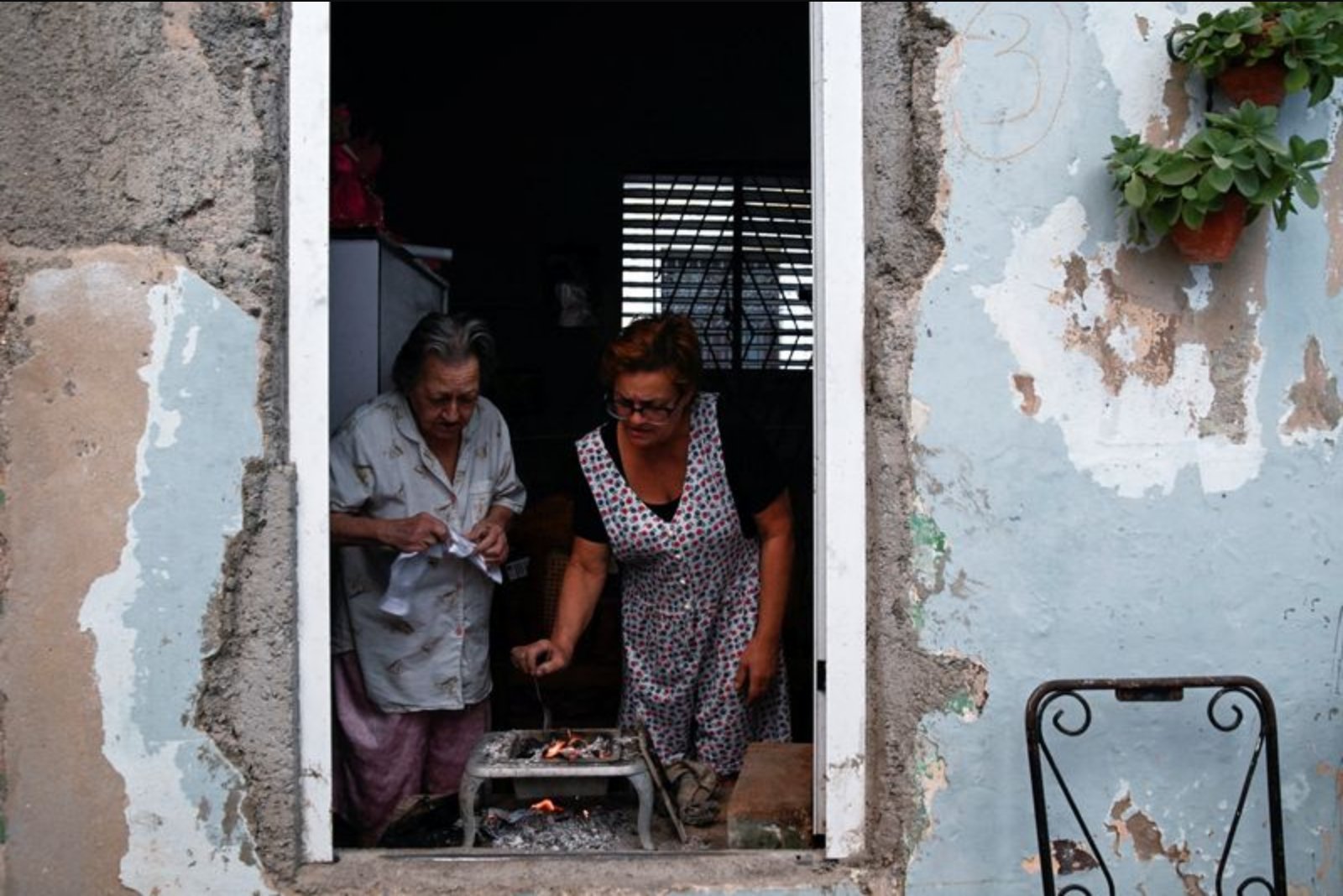
Before dawn on Sunday, much of Havana remained in darkness. Early risers sat outside their homes, conversing with neighbors and swatting mosquitoes beneath clear skies. Cellular service and internet access were largely unavailable in most areas, leaving many residents without communication.
Recent history of outages
Cuba’s electrical system has been unstable for months, with residents accustomed to prolonged daily blackouts. This weekend’s event is the third major nationwide outage this month. A majority of the grid went down on March 4 after a key thermoelectric generating plant failed, and the system also went completely offline on Monday for reasons not explained by authorities. While the country has experienced multiple total outages in recent years, two nationwide blackouts within a single week is an unusual occurrence.
Fuel supply and international context
The government’s restoration work is occurring against a backdrop of reduced access to favorable oil supplies. The United States began measures to block oil shipments to Cuba after Washington deposed Venezuelan President Nicolas Maduro on January 3, according to the timeline reported by Cuban authorities. Venezuela had been Cuba’s most important benefactor, supplying oil on favorable terms. Since that shift, U.S. measures have included cutting off Venezuelan exports to Cuba and warning other countries of punitive tariffs should they sell oil to the island.
Blame and official positions
Cuban officials have long blamed the U.S. trade embargo for economic strains, including an aging power grid. Washington, for its part, attributes Cuba’s supply shortfalls to the structure of the island’s command-style economy. Those opposing explanations remain part of the public narrative around the country’s energy troubles.