
Commodities March 26, 2026

China Calls for Immediate Start to Meaningful Peace Talks Over Iran Conflict

Beijing urges all sides to seize windows for negotiations amid mixed signals between Washington and Tehran

By Caleb Monroe
China Calls for Immediate Start to Meaningful Peace Talks Over Iran Conflict

China has pressed parties involved in the Middle East conflict to create conditions for genuine peace talks, urging swift action to seize openings for negotiation. Chinese officials reiterated cautious optimism after signals of potential engagement between the United States and Iran, while Tehran publicly denied holding talks and said it was reviewing a U.S. proposal but did not intend to conduct negotiations.

Key Points

  • China urged parties to "create conditions for starting truly meaningful and sincere peace talks" and called for active promotion of negotiations to end the war - sectors impacted: diplomacy and geopolitical risk assessment.
  • China’s foreign minister Wang Yi expressed cautious optimism, describing "a glimmer of hope for peace" after signals from both the U.S. and Iran about negotiations - sectors impacted: international relations and market sentiment.
  • Iran publicly denied engaging in negotiations while also saying it was reviewing a U.S. proposal to end the war but had "no intention of holding talks" - sectors impacted: energy markets and regional security analysis.

BEIJING, March 26 - China on Thursday urged the parties involved in the Middle East conflict to "create conditions for starting truly meaningful and sincere peace talks," calling for an active push toward negotiations that could halt hostilities.

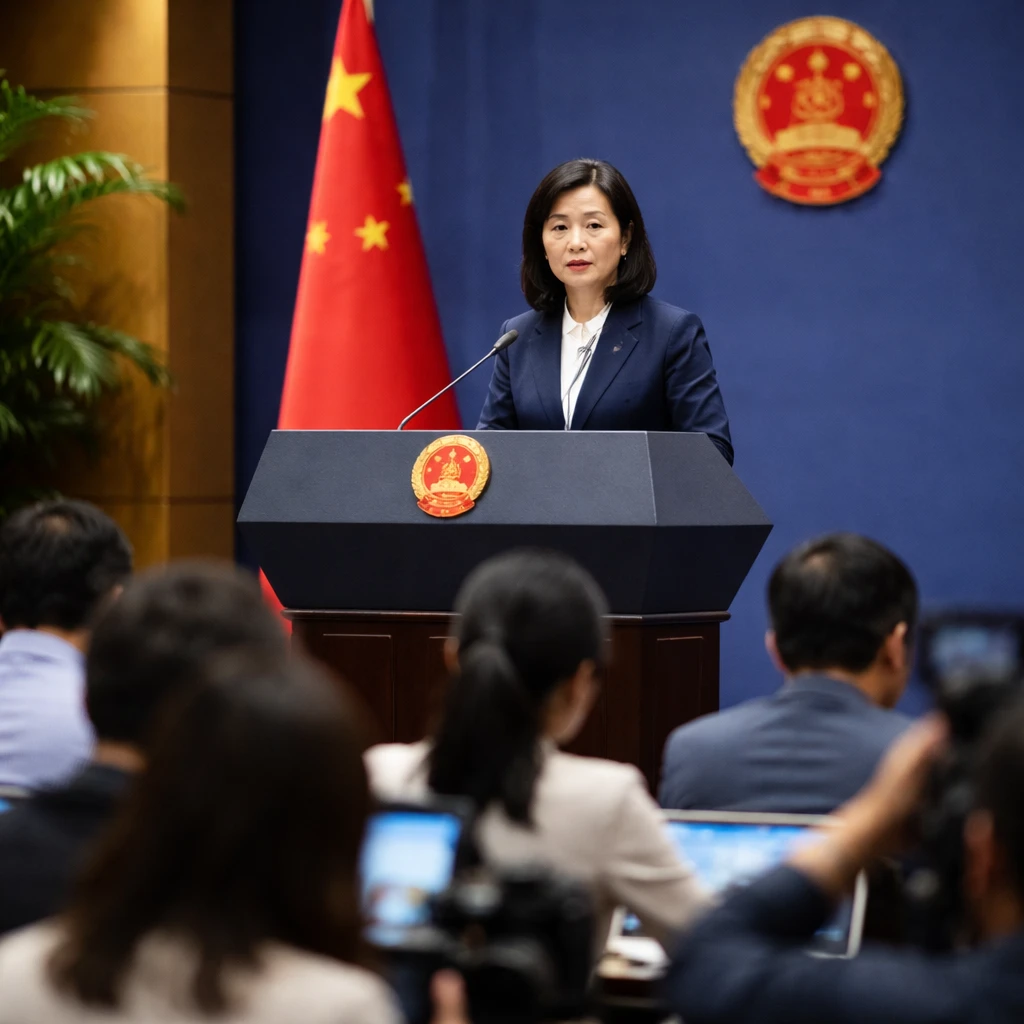
At a routine foreign ministry briefing, spokesperson Lin Jian made the appeal when asked whether China was aware of any ongoing talks between Iran and the United States. "The pressing priority is to actively promote peace talks, seize the opportunity of peace and promote the cessation of the war," Lin said.


The comments followed statements by China’s foreign minister, Wang Yi, who on Wednesday said he saw "a glimmer of hope for peace" after both Washington and Tehran issued signals about possible negotiations. Wang did not provide confirmation that China had direct knowledge of any active negotiations between the two countries.

Earlier in the week, Iranian officials denied they had engaged in negotiations with the U.S. This denial came after President Donald Trump postponed a threat to target Iran’s power grid, citing what he described as productive talks with unidentified Iranian officials.

On Wednesday, Iran’s foreign minister said the country was reviewing a U.S. proposal to end the war but stated it had "no intention of holding talks." That declaration stood alongside Wang’s more cautious assessment of recent developments.


China’s foreign ministry also recounted a phone call in which Wang spoke with his Egyptian counterpart on Wednesday. According to a summary released by the ministry, Wang said: "The situation in the Middle East is changing rapidly, with both the U.S. and Iran releasing signals about negotiations, offering a glimmer of hope for peace." He added, "As long as talks begin, there is hope for peace."

In a separate call on Tuesday with Iran’s Foreign Minister Abbas Araqchi, Wang urged all parties to "seize every opportunity and window for peace, and initiate the process for peace talks as soon as possible," the ministry said.


China did not disclose whether it had independent confirmation of any discussions between Washington and Tehran. Its public statements focused on urging immediate diplomatic engagement and encouraging stakeholders to create the conditions for substantive negotiations.

The diplomatic exchanges and public positions described above reflect divergent messages from the parties involved: expressions of cautious hope from Chinese officials, a U.S. claim of productive engagement, and an Iranian denial of direct talks alongside review of a U.S. proposal.

Risks

  • Uncertainty over whether substantive negotiations between Washington and Tehran are occurring, as China did not disclose confirmation of such talks - impacts diplomatic channels and market confidence.
  • Contradictory public statements from involved parties, including Iran’s denial of negotiations despite U.S. claims of productive talks, create ambiguity about prospects for de-escalation - affects energy and defense-related sectors.
  • The situation is described as changing rapidly, meaning windows for diplomacy may close quickly if opportunities are not seized, adding volatility to geopolitical risk assessments - relevant to investors monitoring commodity and regional trade exposures.

More from Commodities

German coalition signals potential extra relief measures as pump prices climb Mar 26, 2026 Maduro Returns to Manhattan Court as Legal Fee Dispute and Motion to Dismiss Loom Mar 26, 2026 Gold Holds Ground as Mixed Signals Emerge Over U.S.-Iran Diplomacy Mar 25, 2026 Oil edges up as Tehran reviews U.S. proposal amid persistent uncertainty Mar 25, 2026 U.S. Crude Edges Higher as Markets Weigh Signs of Middle East De-escalation Mar 25, 2026