
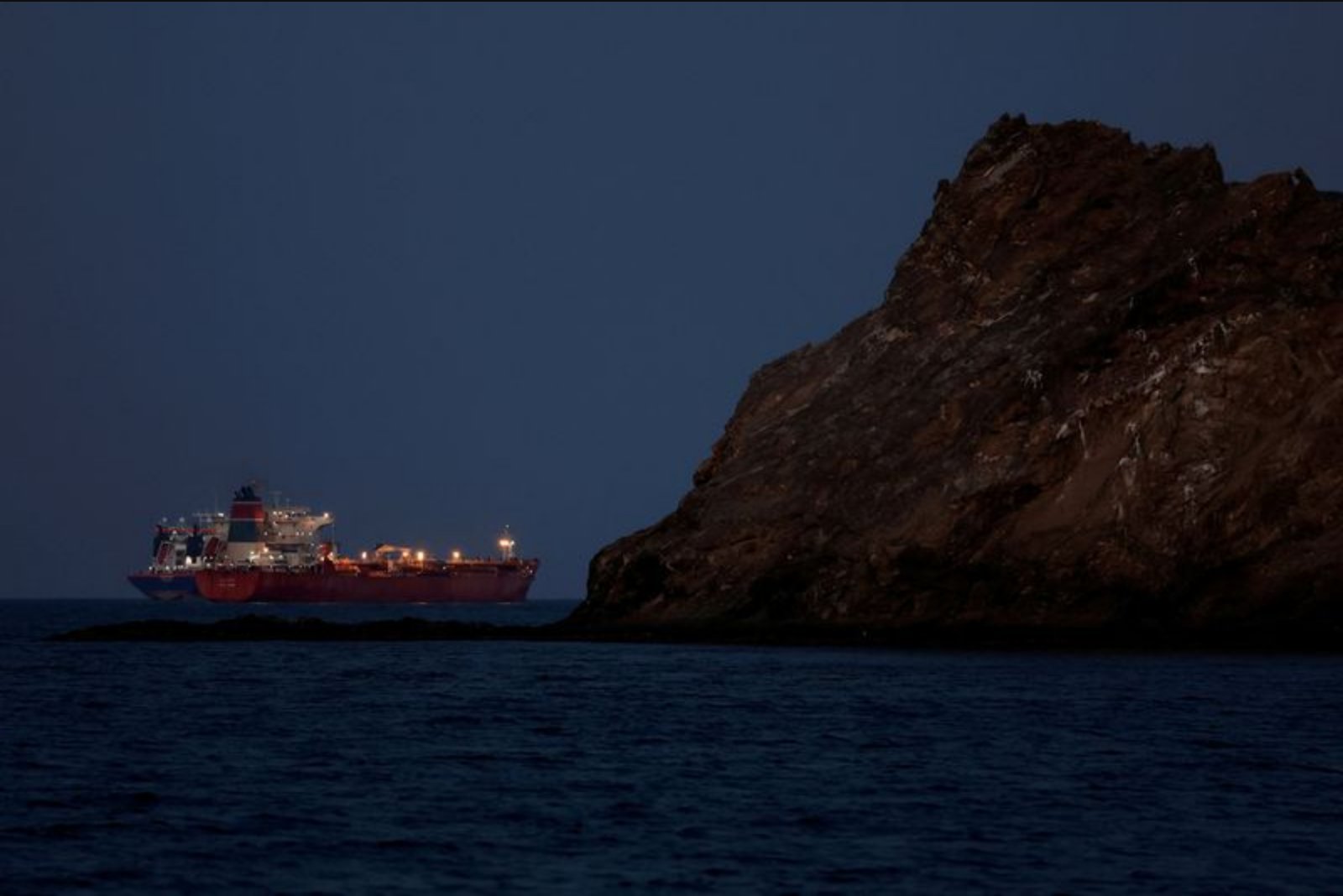
Oil prices climbed modestly in early Wednesday trade as traders digested a mix of reports about possible diplomatic movement and persistent security threats in the Middle East. The front-month Brent contract for June delivery increased by 66 cents, or 0.63%, to $104.63 per barrel by 0010 GMT, extending a spectacular monthly surge recorded in March.
Brent futures registered a record monthly rise of 64% in March based on LSEG data stretching back to June 1988. U.S. benchmarks also firmed: West Texas Intermediate (WTI) for May delivery gained 96 cents, or 0.95%, to $102.34 per barrel, while WTI for June delivery rose 46 cents, or 0.49%, to $93.62 per barrel.
Analysts at LSEG highlighted the tension between diplomacy and security developments in a market note, writing: "Even with diplomatic channels reportedly still active and intermittent comments from the U.S. administration predicting a short end to the conflict, the combination of limited tangible diplomatic progress, continued maritime attacks, and explicit threats against energy assets keeps supply risks skewed to the upside." That assessment points to a market environment in which even tentative signs of a negotiated outcome are offset by ongoing operational and security risks.
The session saw prices partly claw back losses from Tuesday, when Brent futures for June delivery settled down by more than $3 after unconfirmed media reports suggested Iran's president was ready to end the war. U.S. President Donald Trump told reporters on Tuesday that the United States could end the military campaign within "two to three weeks" and added that "Iran doesn’t have to make a deal to end the conflict," remarks described as his clearest indication yet of an intent to wind down the month-long war.
Market watchers cautioned that even if hostilities were to cease, damage to energy infrastructure could leave supplies constrained for some time. Analysts noted Mr. Trump has also indicated he could bring the conflict to an end before the Strait of Hormuz is reopened - the narrow waterway through which 20% of global oil and liquefied natural gas trade flows, according to a Wall Street Journal report.
The practical effects of the strait’s disruption and related output curbs were visible in recent production figures. A Reuters survey published on Tuesday showed that Organization of the Petroleum Exporting Countries (OPEC) oil output fell by 7.3 million barrels per day in March compared with the previous month, a drop attributed to forced export cuts tied to the closure of Hormuz.
Those supply-side shocks have prompted forecasters to sharply revise their outlooks. A Reuters poll conducted in March projects that Brent crude will average $82.85 per barrel in 2026, roughly 30% higher than February’s forecast of $63.85 - a projection polled before the war began. The $19 increase between the February and March forecasts represents the largest single-month upward revision recorded in Reuters’ monthly oil poll data, which dates back to 2005.
Market context
Short-term price action reflected a tug-of-war between intermittent positive diplomatic signals and continued operational threats to shipping and production. Benchmarks remain elevated after a historically large monthly advance, and analysts continue to emphasize upside supply risk as long as maritime attacks and threats to energy assets persist.