
HOUSTON, March 24 - The Trump administration is expected to announce as soon as Wednesday a temporary relaxation of federal rules that require refiners and fuel retailers to switch to summer-grade gasoline blends, according to two sources familiar with the matter. The adjustment would postpone the mandatory transition to the more expensive summer formulations that are designed to limit smog formation in warmer months.
Under the anticipated policy shift, retailers would also be allowed to continue selling gasoline blended with 15% ethanol - commonly referred to as E15 - throughout the summer driving season in areas where stricter seasonal limits normally constrain its use.
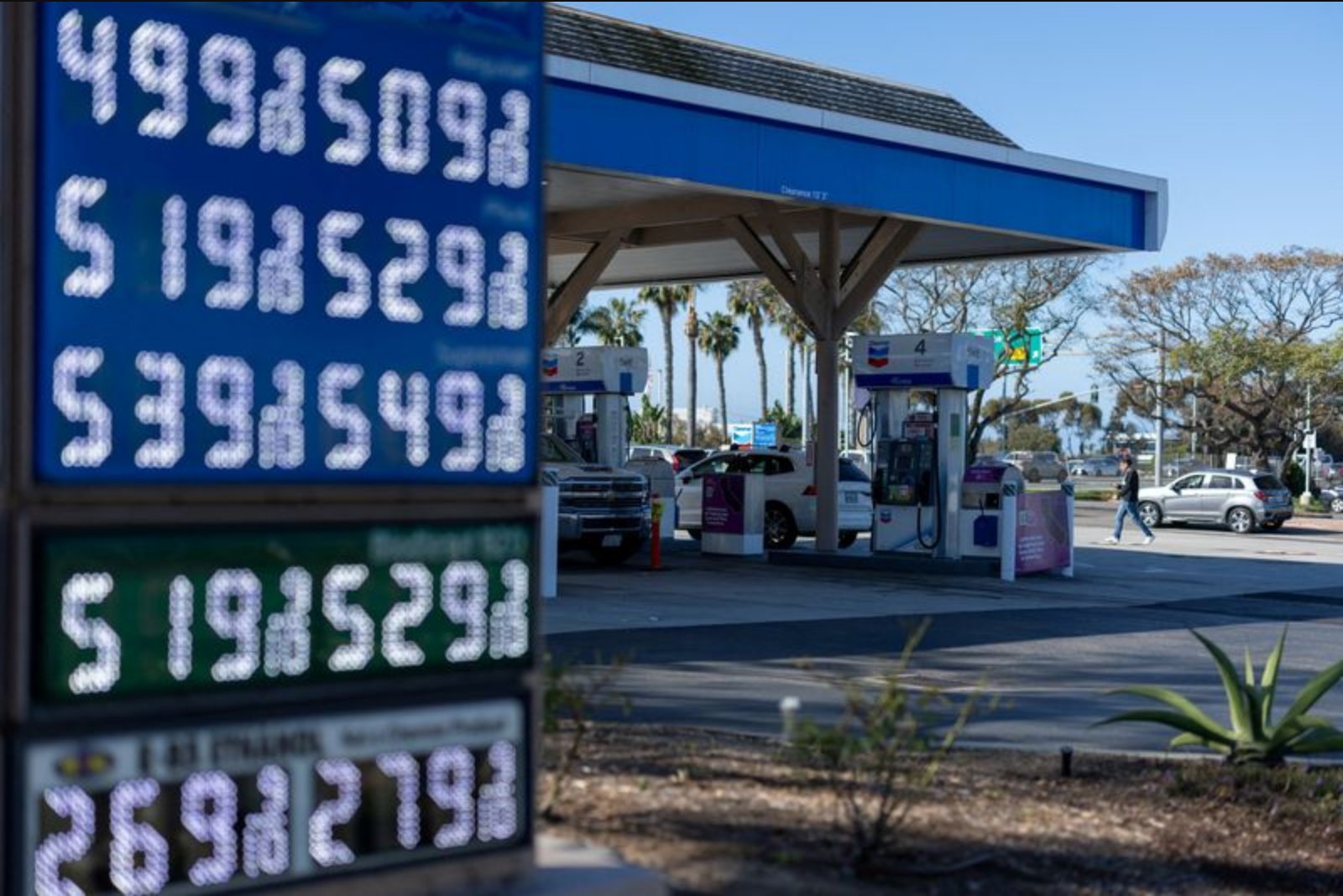
Analysts cited by the sources project that the regulatory relief could lower retail pump prices by several cents per gallon, providing financial breathing room for consumers and for refiners coping with constrained fuel inventories. The U.S. average price for a gallon of regular gasoline recently climbed above $3.97, up sharply from below $3 earlier this year, according to AAA data.
The seasonal switch to summer gasoline blends exists to reduce air pollution. Summer formulations have lower volatility, which limits evaporation that can contribute to ground-level ozone and smog during warm weather. The planned temporary easing would delay the requirement to use those lower-volatility blends.
Energy markets have tightened following disruptions tied to the Iran conflict, contributing to a surge in oil and gasoline prices. U.S. crude topped $100 a barrel for the first time since the 2022 Russia-Ukraine shock.
The U.S. Environmental Protection Agency, which administers the relevant regulations, issued a statement saying it has worked hard to promote American energy dominance and is "monitoring the supply with industry and federal partners."
White House officials view the move as part of a wider response to rising energy costs as the peak summer driving season approaches. By allowing continued use of E15 and postponing the switch to costlier summer blends, the administration aims to blunt near-term price pressures at the pump while supply conditions remain tight.
Context and implications
- The measure is temporary and targeted at addressing immediate supply and price pressures rather than altering long-term air-quality policy.
- Retailers, refiners and motorists stand to see near-term relief if the change is implemented as expected.
- The EPA statement indicates continued coordination between regulators, industry and federal partners to monitor supply developments.