
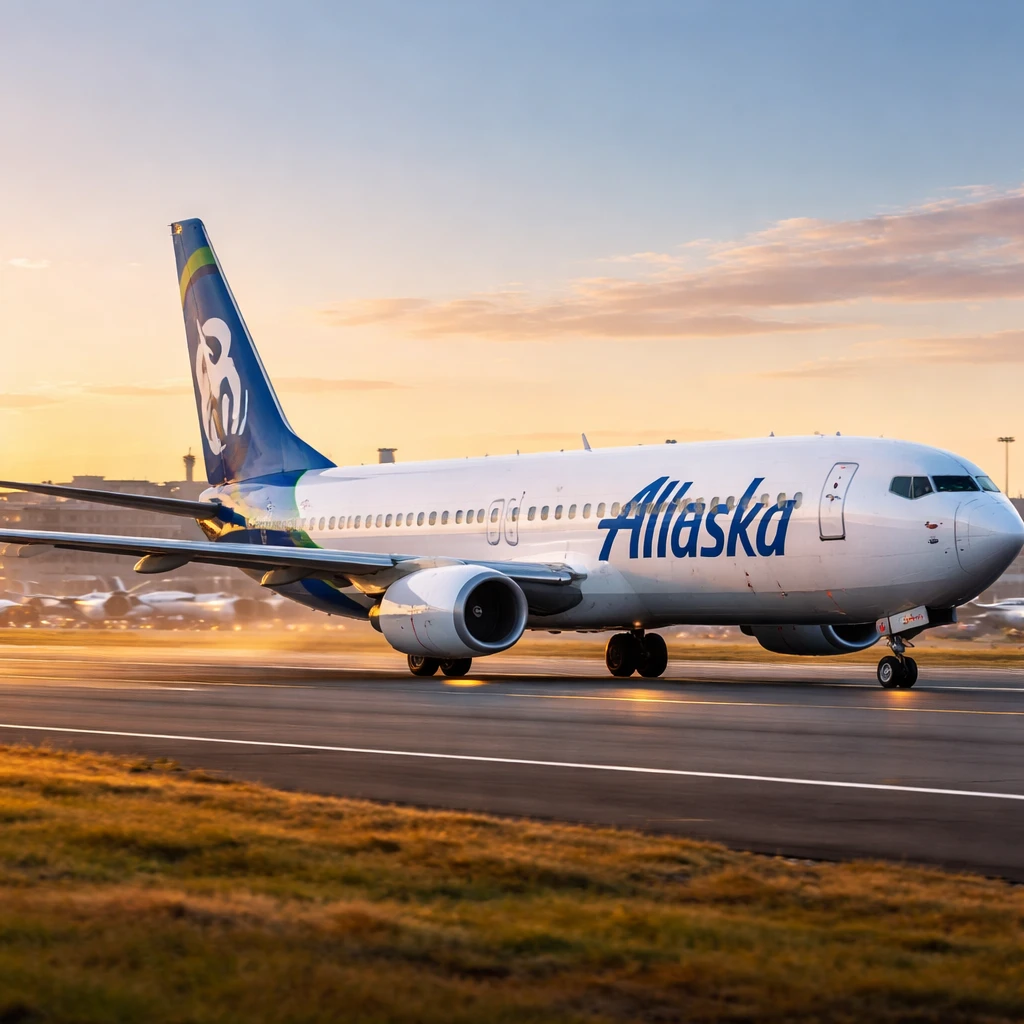
TD Cowen has reaffirmed its Buy rating on Alaska Air (NYSE:ALK), setting a price target of $64.00 after the airline reported an impressive fourth-quarter earnings result. This evaluation aligns with a strong analyst consensus that includes a high target price of $94, reflecting substantial upside potential given the stock’s current trading price of $48.86, according to InvestingPro’s Fair Value assessment.
For the last quarter of 2025, Alaska Air posted adjusted earnings per share (EPS) of $0.43, notably outperforming analyst forecasts that anticipated EPS between $0.10 and $0.11. Furthermore, the airline demonstrated efficiency gains as its cost per available seat mile excluding fuel (CASMex) trailed below market expectations.
Mirroring positive industry sentiments expressed by Delta and United Airlines, Alaska Air highlighted strong demand signals as it steps into 2026. Corporate travel is reportedly up 20% year-over-year, and the company noted robust engagement in premium services, its loyalty program, as well as sustained strength in cargo operations.
While Alaska Air issued guidance for the first quarter and full year 2026 with a broader than anticipated range, TD Cowen interprets this conservatism as prudent considering volatile West Coast fuel prices and operational challenges encountered in 2025. Analyst Tom Fitzgerald emphasized that any temporary pressure on the stock price should be seen as a purchasing opportunity, underscoring Alaska Air’s ability to manage controllable factors amid external uncertainties.
Additional industry developments include a pre-announcement from Alaska Air’s fourth-quarter 2025 EPS of roughly $0.10 by UBS, which also maintained a Buy rating with a higher price target of $77.00. This comes in the wake of the airline’s commitment to overhaul its technology infrastructure following previous disruptive outages. The company is advancing toward cloud-based operational and data center platforms, an initiative spearheaded by CFO Shane Tackett.
A significant strategic move for Alaska Air is its record-setting fleet order. The airline contracted to acquire 105 Boeing 737-10 aircraft and five Boeing 787 widebody planes, with options to add 35 more 737-10s. This ambitious procurement secures delivery schedules up to 2035 and supports maintaining a modern, fuel-efficient fleet.
Complementing these efforts, Hawaii-based subsidiary Hawaiian Airlines announced a $600 million investment plan titled "Kahuʻewai Hawai’i Investment Plan." This five-year program aims to enhance customer experience through airport facility modernization, technology upgrades, and aircraft interior retrofits.