
Stifel lowered its price target for Instacart (NASDAQ:CART) to $46.00 from $49.00 on Tuesday but maintained a Buy recommendation on the grocery delivery company's shares. The updated target sits close to InvestingPro's Fair Value estimate. With the stock trading at $37.85, the revised target implies potential appreciation from current market levels.
The firm pointed to persistent competitive pressure as a factor weighing on the stock's valuation, but noted these headwinds are largely reflected in prevailing market expectations. Stifel did not alter its internal forecasts; its models continue to assume about a 2 percentage-point loss of market share in the fourth quarter.
According to InvestingPro data, Instacart retains strong unit economics, reporting gross profit margins of 74.46%. The company also holds a balance sheet position characterized by more cash than debt, suggesting liquidity resilience amid the current operating environment.
Stifel's reduction in the price target appears to stem mainly from deteriorating market sentiment rather than shifts in the firm's fundamental revenue or margin assumptions. By keeping its Buy rating despite the lower target, Stifel signaled continued confidence in Instacart's longer-term prospects even as it navigates near-term competitive challenges.
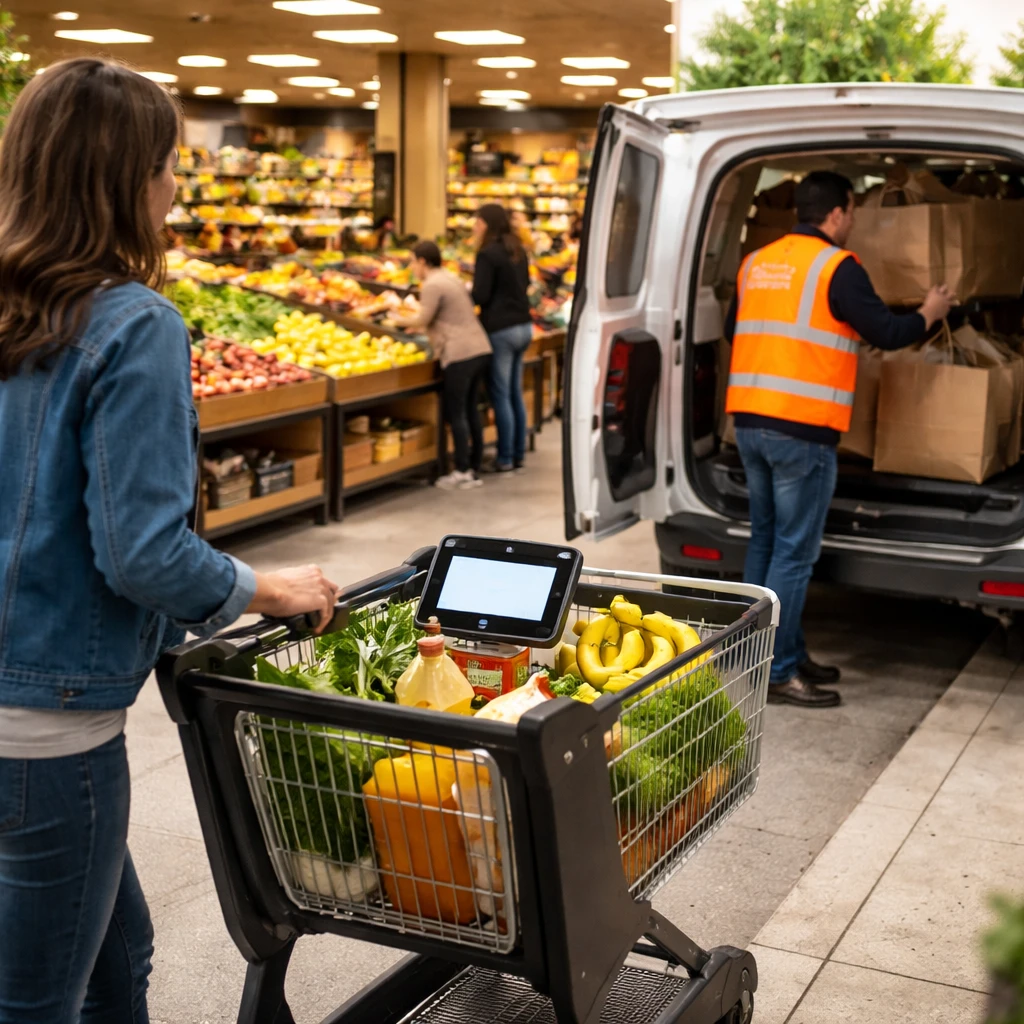
On the commercial front, Instacart has broadened a partnership with Allegiance Retail Services to deliver technology solutions to more than 125 independently owned supermarkets in the U.S. Northeast. That collaboration includes rolling out Instacart's AI-powered Caper Carts at select Foodtown stores in New York, New Jersey, and Pennsylvania.
At the same time, Instacart is addressing legal and regulatory matters. The company agreed to pay $60 million in refunds to consumers to resolve Federal Trade Commission allegations that certain practices had raised grocery costs for shoppers. Separately, the New York Attorney General has requested information about Instacart's algorithmic pricing after a study found meaningful price differences for identical products.
Competition has intensified in the grocery delivery market following Amazon's expansion of same-day delivery for perishable groceries to over 2,300 U.S. cities and towns, a move that presents a direct challenge to Instacart's service footprint and value proposition.
These developments - commercial expansion, regulatory settlements and inquiries, and escalated competitive activity - outline the strategic landscape Instacart is navigating. While margin metrics and net cash position underpin the company's financial fundamentals, market sentiment and external pressures continue to shape near-term valuation dynamics.