
Bernstein SocGen Group increased its price target on Tyson Foods (NYSE:TSN) to $69.00 from $60.00 on Tuesday, yet left the stock's rating unchanged at Market Perform. The move follows Tyson’s first-quarter fiscal 2026 results, which Bernstein described as coming in better than expected overall.
Tyson shares were trading at $65.74 at the time of the note, just under the company’s 52-week high of $66.15. Data referenced by InvestingPro in the original reporting indicates the stock is slightly undervalued when compared with Fair Value estimates.
Analysts at Bernstein pointed to a reporting change at Tyson that altered how segment operating profit is presented - corporate cost and amortization allocations have been removed from those segment figures. Bernstein noted the change as part of the context for its updated target, and InvestingPro data noted that three analysts recently lifted earnings estimates for the upcoming period.
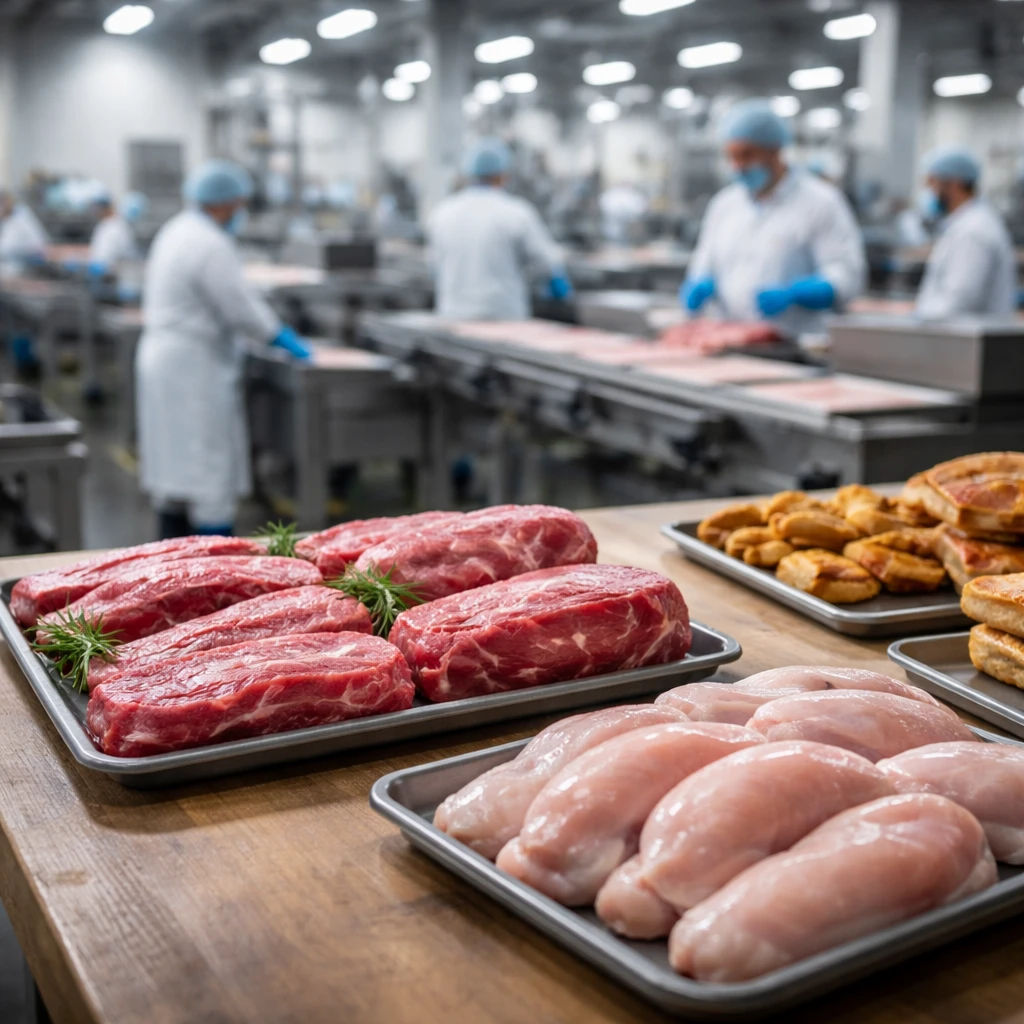
Despite the upbeat topline assessment, Bernstein singled out the beef business as "the weak link" in Tyson’s results. The firm said the beef segment missed expectations even after the reported accounting adjustment and cautioned that beef will likely remain a wildcard for future performance. That concern was the central rationale for Bernstein’s decision to remain neutral rather than upgrade the rating.
By contrast, the research note expressed confidence in other areas of Tyson’s operations. Bernstein described demand for chicken as appearing robust, saying "demand for chicken looks set to remain very strong," and it anticipates the Prepared Foods division will sustain its recent positive trajectory.
Tyson’s market capitalization is reported at $23.15 billion, and the company recorded modest revenue growth of 2.12% over the last twelve months. The company’s latest quarter showed adjusted earnings per share of $0.97, above an expected $0.93, and revenue of $14.3 billion, beating a $14.0 billion consensus.
Those quarterly results underscore stronger-than-expected operating outcomes in the face of continuing operational challenges and market conditions, according to the reporting. Nevertheless, the mixed segment performance left some analysts cautious.
In related analyst activity, Barclays reiterated an Overweight rating on Tyson Foods and maintained a $78 price target, reflecting a more positive stance compared with Bernstein’s neutral view.
Key context for investors:
- Bernstein raised its price target to $69.00 from $60.00 but kept a Market Perform rating due to ongoing concerns about the beef segment.
- Tyson reported adjusted EPS of $0.97 versus an expected $0.93, and revenue of $14.3 billion versus an expected $14.0 billion for the first quarter of fiscal 2026.
- Analyst activity includes three recent upward revisions to earnings expectations reported by InvestingPro and Barclays’ continued Overweight rating with a $78 target.
Investors and market participants should weigh the stronger corporate results and favorable trends in chicken and Prepared Foods against the uneven performance in beef. The reporting change noted by Bernstein alters segment comparability and may influence how future segment results are interpreted.
Overall, Bernstein’s action illustrates a cautious response to mixed operational signals: an increased price objective based on recent outperformance, counterbalanced by a neutral stance pending clearer evidence that the beef segment can stabilize.