Stop Losses & Exits

Managing exits to limit losses and protect capital.

Part of Risk Management

What you will learn

This scope is designed to help you build a practical understanding of Stop Losses & Exits. Lessons move from core definitions to real-world context and common failure points.

Lessons

Reading in order is recommended, but each lesson stands on its own.

12 min read
Beginner

Why Stop Losses Exist

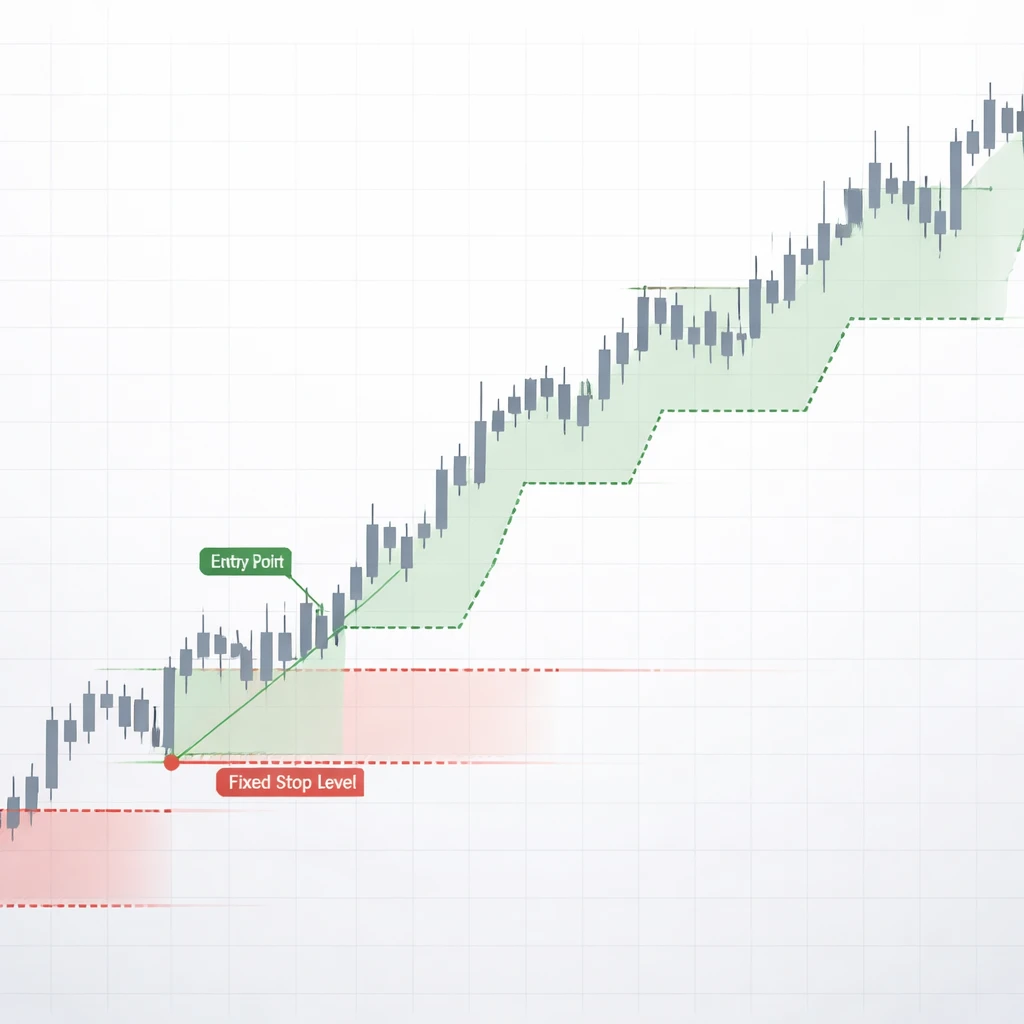
An academic explanation of why stop losses exist in trading, how they protect capital and survivability, and where traders frequently misunderstand or misuse them. The article clarifies the governance role of exits, practical implementation issues, and portfolio-level implications without offering recommendations or setups.
12 min read
Intermediate

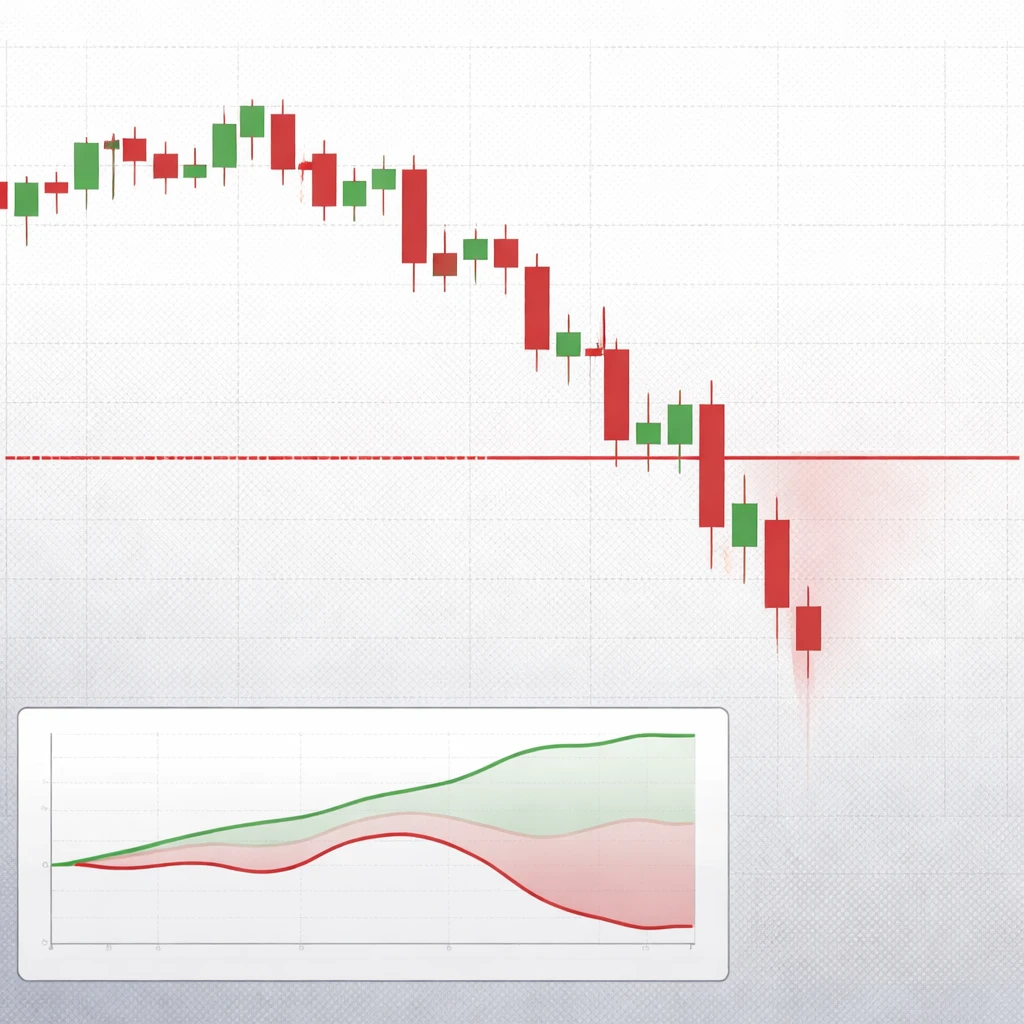
What Is a Stop Loss?

A stop loss is a predefined exit rule that closes a position when price moves against it by a specified amount. It is a core risk control that limits downside, structures position sizing, and supports long-term survivability. This article explains what stop losses are, how they work across markets, common variants, execution risks, misconceptions, …

12 min read
Intermediate

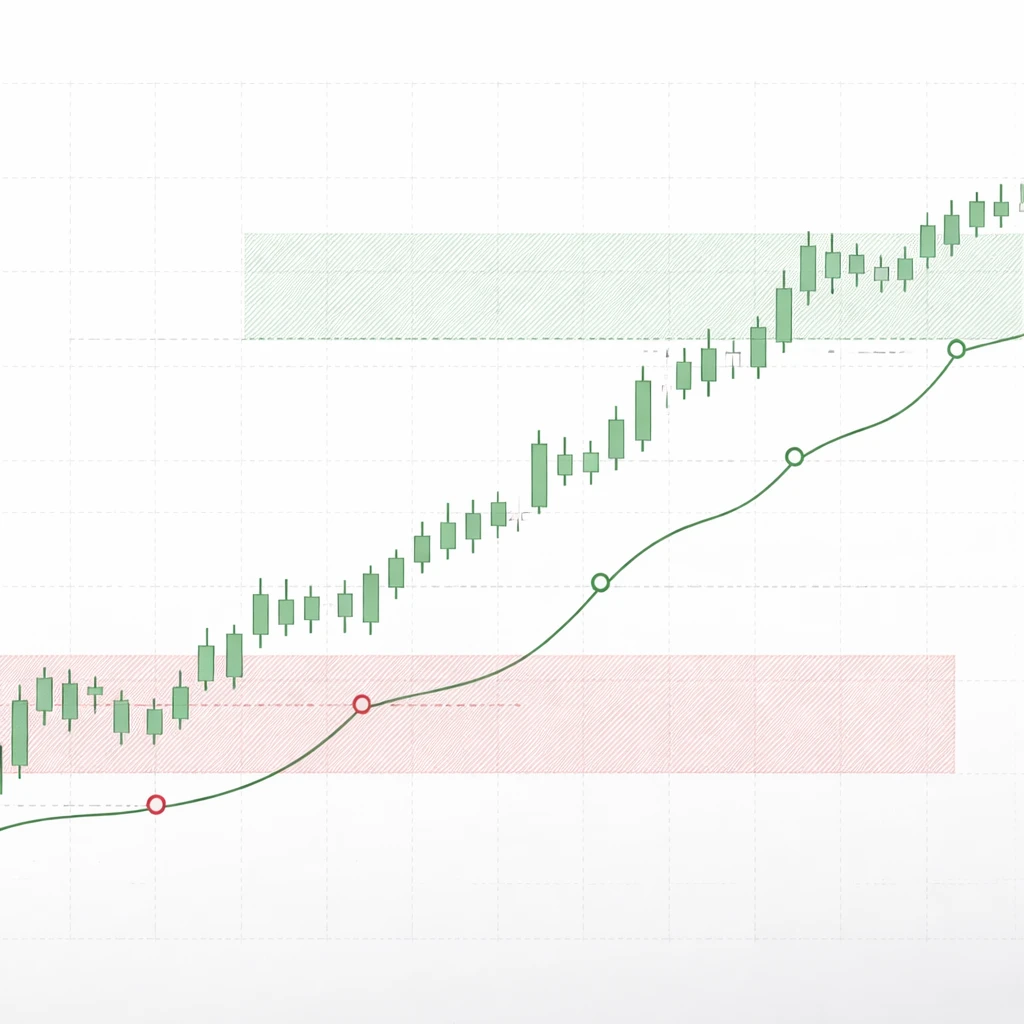
Trailing Stops Explained

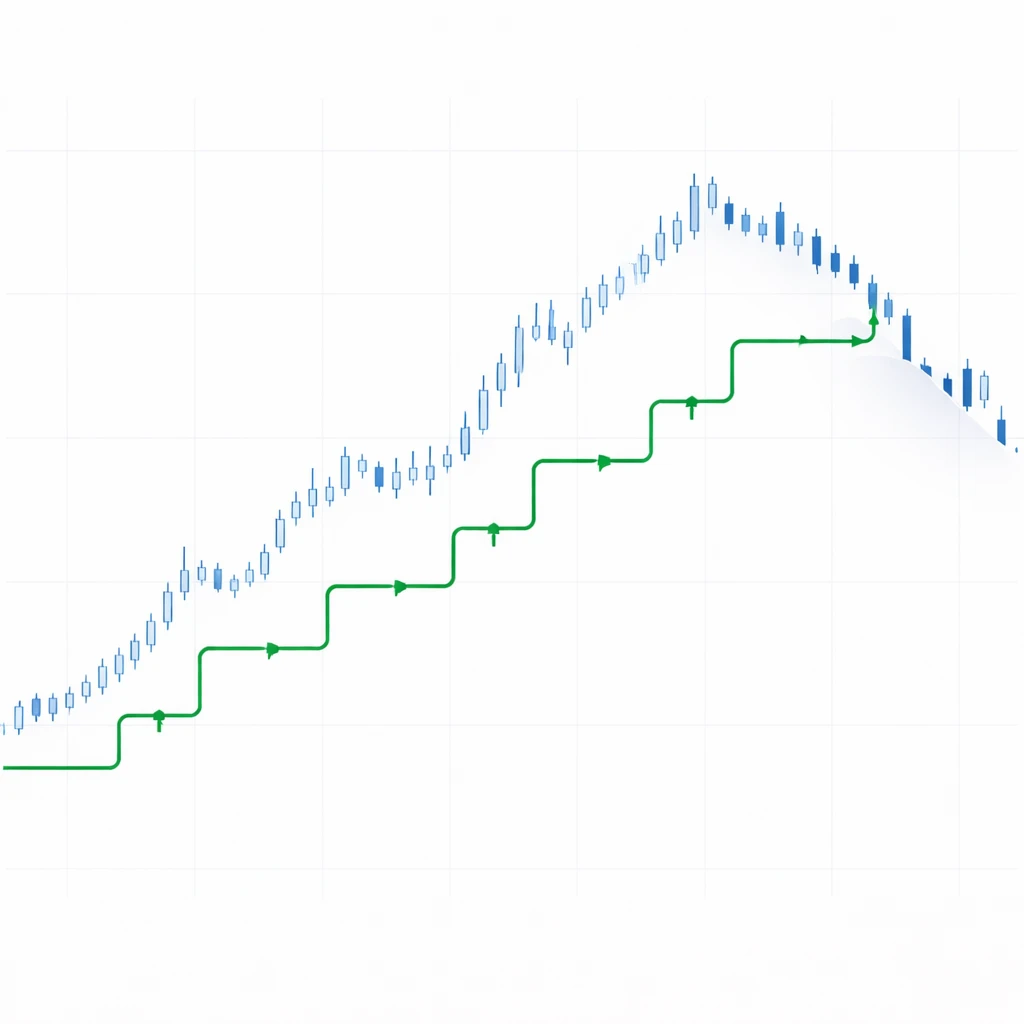
A clear, practical examination of trailing stop orders, how they control downside risk while allowing trades to evolve, and the operational details and pitfalls that shape real outcomes across different markets and time horizons. Written for serious learners who want durable risk management process, not predictions.

12 min read
Intermediate

Hard Stops vs Mental Stops

An in-depth examination of hard stops and mental stops, how each functions in practice, and why the distinction matters for controlling downside risk and preserving trading capital over long horizons. The article clarifies definitions, execution mechanics, behavioral pitfalls, and scenario-based tradeoffs without offering specific trade setups or r…

12 min read
Intermediate

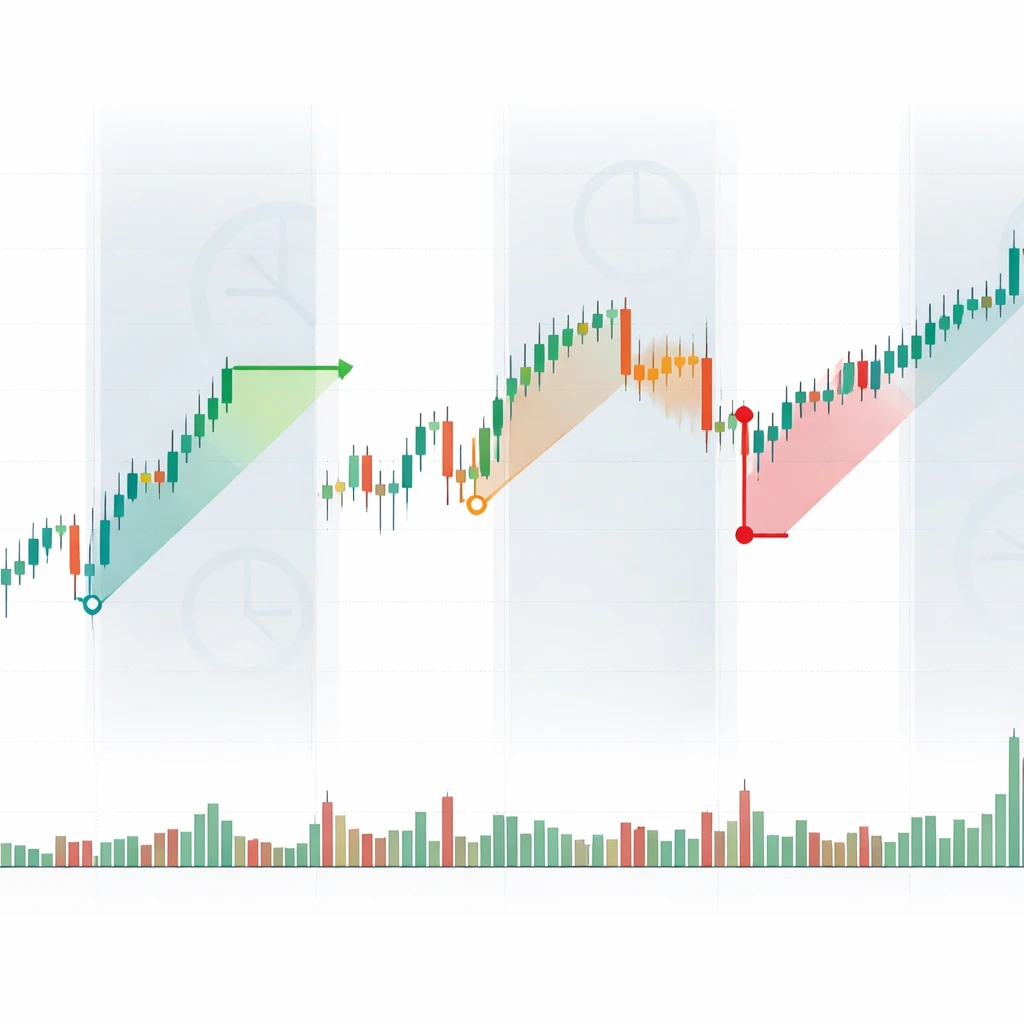
Time-Based Exits

Time-based exits set a maximum holding period for a position and force a decision once the clock expires. This article defines the concept, explains why time limits reduce risk, and shows how practitioners build, evaluate, and govern time exits without prescribing trade setups or recommendations.

10 min read
Intermediate

Profit Targets Explained

Profit targets are predefined exit points that cap open risk, stabilize trade outcomes, and support long-term survivability. This article defines profit targets, explains why they matter for risk control, shows how they function in practice, and clarifies common misconceptions without giving trade setups or recommendations.

12 min read
Intermediate

Exiting Losing Trades

A rigorous examination of why and how traders exit losing trades to protect capital, control drawdowns, and preserve long-term survivability, with attention to mechanics, behavioral challenges, and common pitfalls to avoid overly costly losses.

12 min read
Intermediate

Exiting Winning Trades

A rigorous explanation of how and why to exit winning trades as a core element of risk management, covering definitions, rationale, practical applications, behavioral challenges, and common pitfalls without offering market predictions or recommendations.

11 min read
Intermediate

Stop Placement and Market Noise

A rigorous look at how stop placement interacts with market noise, why it matters for capital protection and long-term survivability, and how traders can think systematically about exits without relying on predictions or rigid rules of thumb. Includes definitions, practical scenarios, measurement ideas, and common pitfalls.

12 min read
Intermediate

Stop Hunts Explained

A clear, academic explanation of stop hunts, why they occur, how they relate to liquidity and execution, and their implications for stop losses, exits, and capital preservation without suggesting trades or predictions. Focused on risk control and long-term survivability.