Risk / Reward Analysis

Evaluating trade setups based on potential upside versus downside.

Part of Risk Management

What you will learn

This scope is designed to help you build a practical understanding of Risk / Reward Analysis. Lessons move from core definitions to real-world context and common failure points.

Lessons

Reading in order is recommended, but each lesson stands on its own.

12 min read
Intermediate

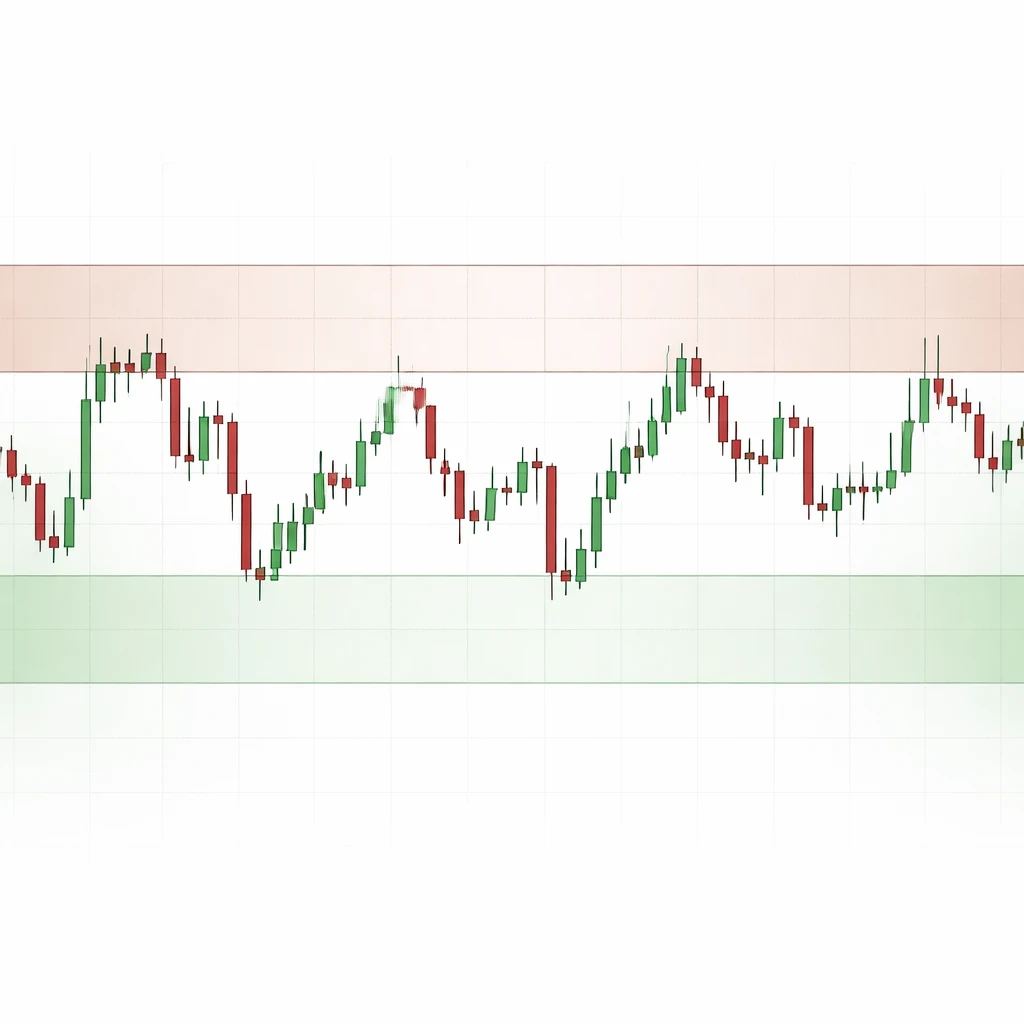
Risk/Reward in Ranging Markets

A rigorous examination of risk and reward in ranging markets, focusing on how range structure, volatility, and trade distribution shape expectancy and long-term survivability. The article clarifies common misconceptions and outlines practical measurement and monitoring considerations without proposing setups or recommendations.


10 min read
Intermediate

Risk/Reward and Position Sizing

Risk and reward define the payoff profile of a trade, while position sizing converts a defined risk into the number of units to hold. This article explains how these concepts protect capital and support long-term survivability in trading practice. The discussion emphasizes clear definitions, practical calculations, expectancy, portfolio implication…

10 min read
Intermediate

Common Risk/Reward Mistakes

A clear analysis of frequent risk and reward errors that erode trading capital, with practical examples of how these mistakes appear in real markets and why correcting them is essential for long-term survivability. No setups, no predictions, just rigorous risk thinking.

12 min read
Intermediate

Overestimating Reward Potential

A rigorous examination of how traders overestimate reward potential in risk/reward analysis, why it threatens capital preservation and long-term survivability, and how to think probabilistically about outcomes, frictions, and regime uncertainty without giving investment advice.

10 min read
Intermediate

Limits of Risk/Reward Models

A rigorous examination of where risk and reward models break down, why those limits matter for capital protection, and how practitioners account for uncertainty, regime shifts, and execution realities in day to day risk control decisions. No strategies or recommendations are provided.